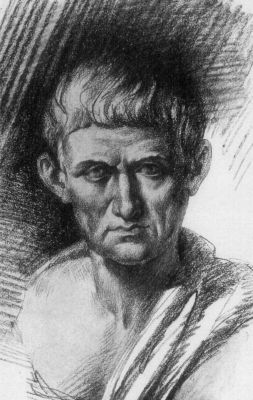
How a habit becomes a virtue
Read the opening books of Nicomachean Ethics by connecting a good life with everyday character formation, without reducing Aristotle to an ethics of compromise.
An original introduction. This guide accompanies the work; it is neither the complete text nor a translation.
Ask what we are pursuing
The text begins with the different ends of our actions. Some are sought for something else; others appear desirable for their own sake. Notice this structure before immediately translating eudaimonia as happiness. Aristotle is asking what could give unity to a life, not merely what produces a succession of pleasant sensations.
Practice requires choice
Moral virtue develops through habit, but acting like a virtuous person is not yet the same as possessing their character. Choice, understanding and stability of disposition matter. Take an example of generosity: the same gift might express just attention, a wish to impress or social pressure. Its outward form does not settle the issue.
Seek the appropriate measure
The mean is not identical for everyone and does not justify a little of every fault. Some actions are described as bad in themselves. In other cases, judgement must consider the time, object, people and manner of action. Practical wisdom guides us where a purely quantitative rule would miss the particular character of the situation.
Virtue is a way of choosing and acting cultivated over time, with attention to particular situations.
Your turn to think.
- What habit do you wish to cultivate, and for reasons beyond the impression it gives others?
- When would compromise be a mistake rather than an appropriate measure?
Your selection and progress stay in this browser.