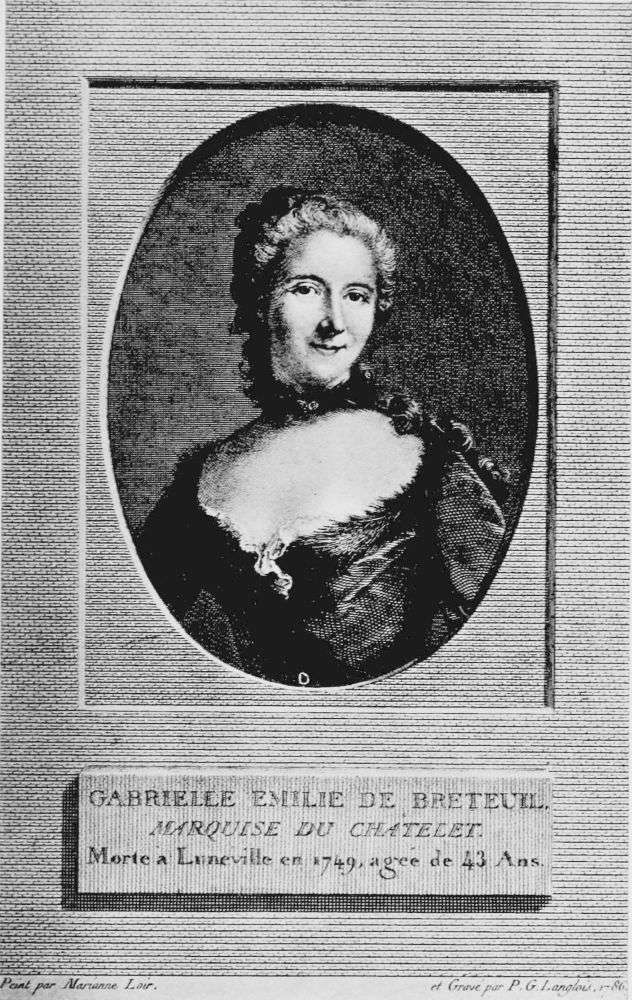
Study and happiness
Read passions and the desire to know in their historical conditions.
An original introduction. This guide accompanies the work; it is neither the complete text nor a translation.
Situating the text
Written toward the end of her life and published posthumously, the discourse joins moral reflection to situated experience. It is neither a complete autobiography nor a universal formula for happiness. This text considers conditions for a happy life: passions, health, prejudice, illusions and intellectual independence. It values study as a source of satisfaction, especially in a society restricting women’s opportunities.
Following the arguments
Passions : They can enrich life without removing the need to examine their effects and conditions. Study : The desire to know provides satisfaction whose accessibility depends on education and institutions. Prejudice : Social conventions shape available choices and are not justified merely by their age.
Continuing the reading
Distinguish personal advice from its historical conditions and ask who can actually follow each recommendation. Written toward the end of her life and published posthumously, the discourse joins moral reflection to situated experience. It is neither a complete autobiography nor a universal formula for happiness.
The freedom to study depends on real social opportunities.
Your turn to think.
- Why might study contribute to happiness?
- Who actually had access to the opportunities described?
Your selection and progress stay in this browser.